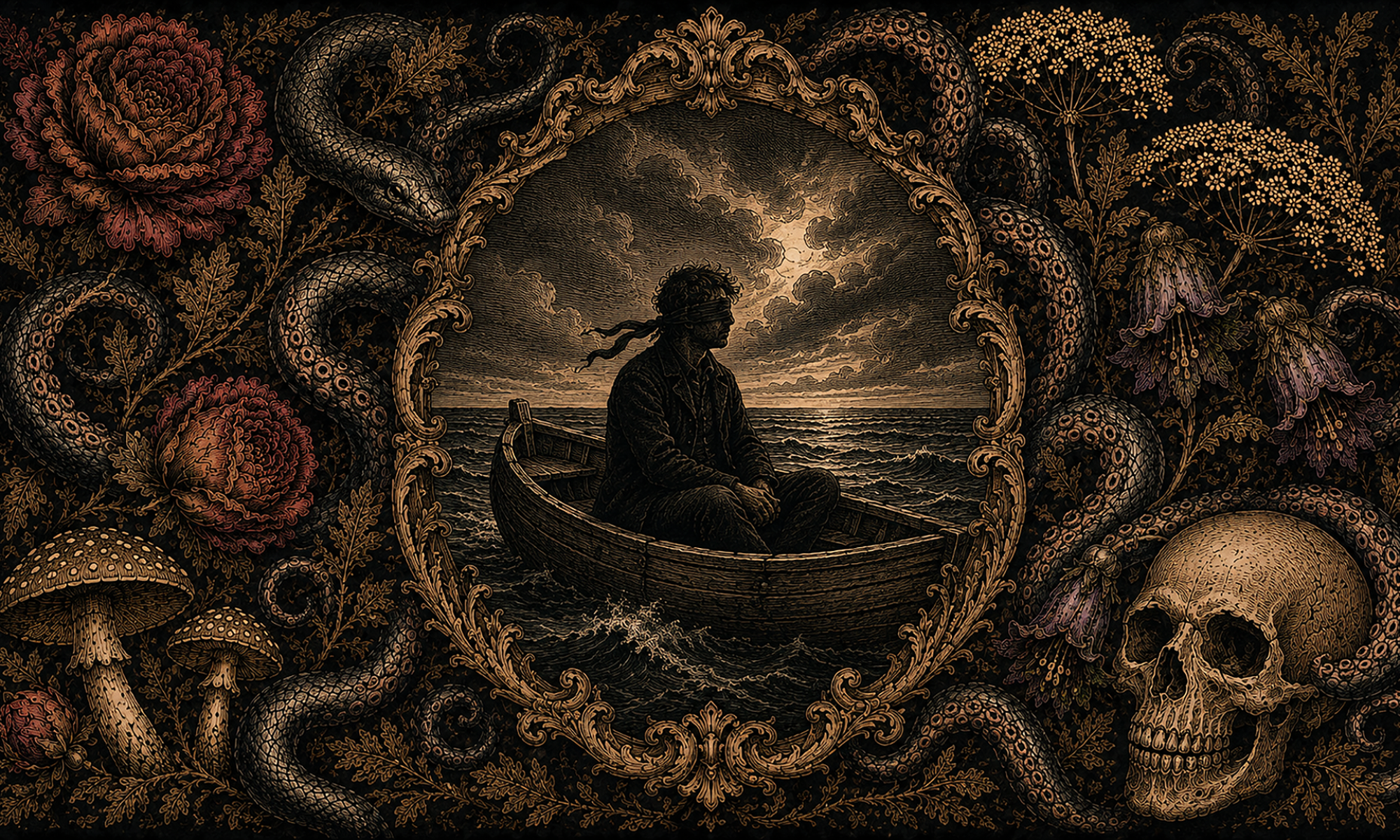
It was a cool, quiet Saturday morning,
A time to think about life.
Still drowsy from an evening of drinks
And a restless sleep,
I found myself contemplating
The second piece of my puzzle.
My father.
The things he taught me,
And the man those lessons
Helped me become.
Now elderly and unwell,
He is constantly in my thoughts.
He taught me
To be a good man.
To work hard
For my family.
To be honest,
Loyal,
Trustworthy,
And kind,
Though I know
Some may scoff at such things.
He taught me
To help others
Whenever they needed it.
To do what I said I would do.
To be where I said
I would be.
That actions,
Not words,
Are the true foundation
Of a man’s character.
He taught me
To protect my children
Against all odds,
To be firm,
Yet playful.
To pay my own way.
To meet my responsibilities.
To never take advantage
Of another person.
He gave me
The opportunity to succeed,
The tools to build a life,
And the technology
To learn a changing world.
He carried burdens
I never fully understood,
Yet still made sure
I wanted for little.
His memories are leaving him now.
He seems fragile.
Not the soldier,
The mechanic,
The truck driver,
The builder,
That he once was.
A life should be remembered,
Not stolen
One memory at a time.
Illness took his wife.
It took his hair.
But it never took
His dignity.
Or his humour.
He has lived many lives
Within one lifetime,
Helped countless people,
And rarely asked
For anything in return.
But time
Is a cruel mistress.
And she creates
Wraiths from mountains.

